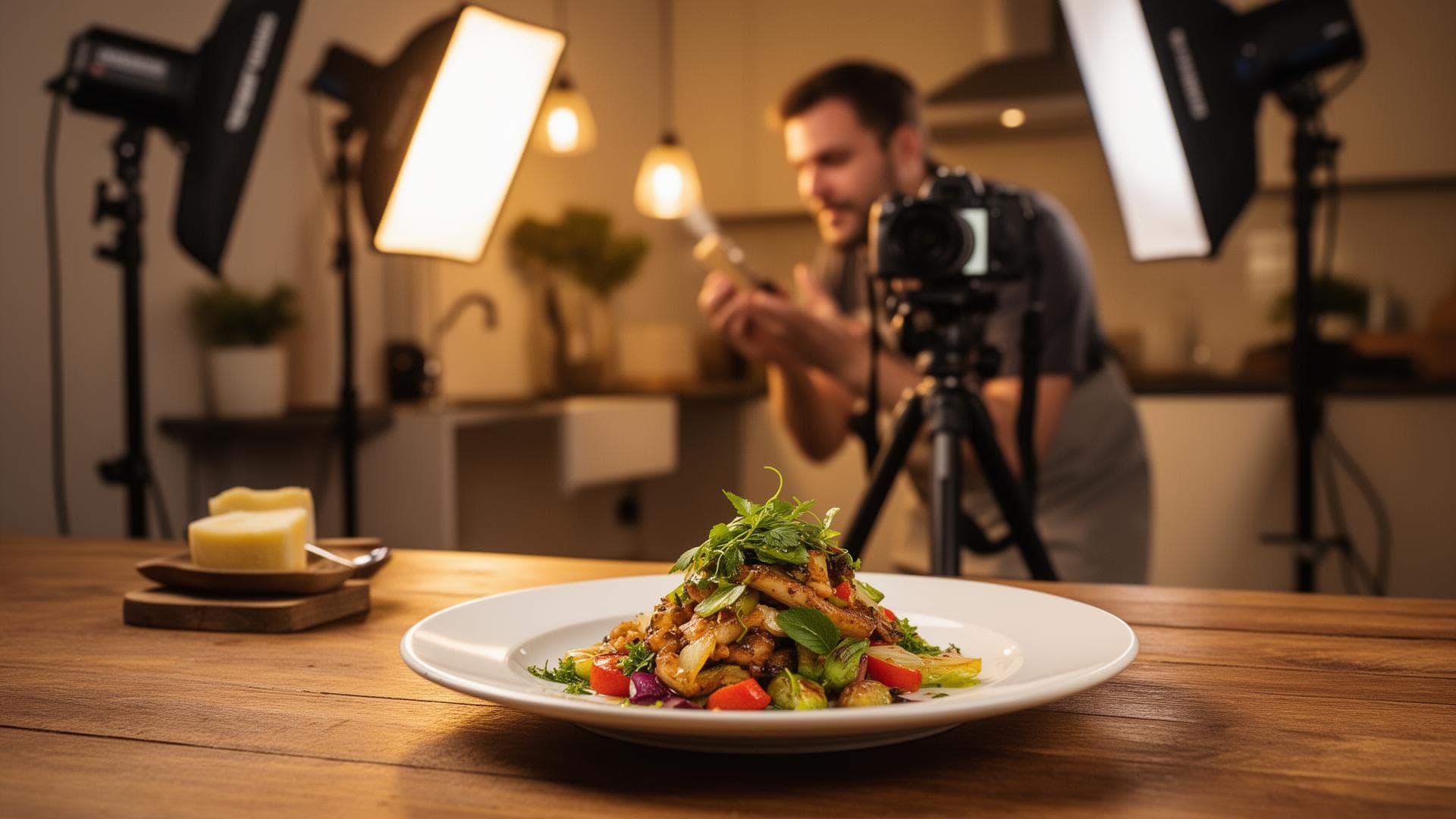
When Habuyta brought together passionate home chefs for a hands-on food photography workshop, we knew we wanted to create something special. Led by Chris Gold from Structure Infinity, this interactive session transformed the way our community thinks about capturing their culinary creations.
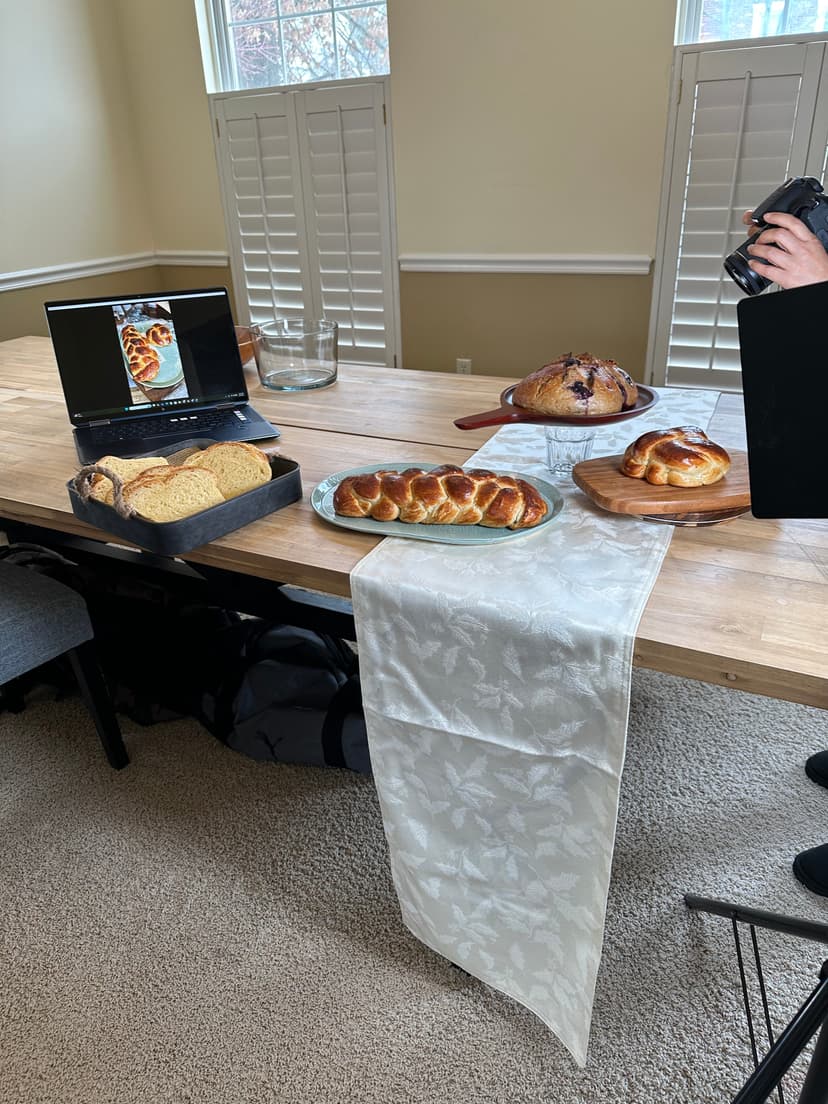
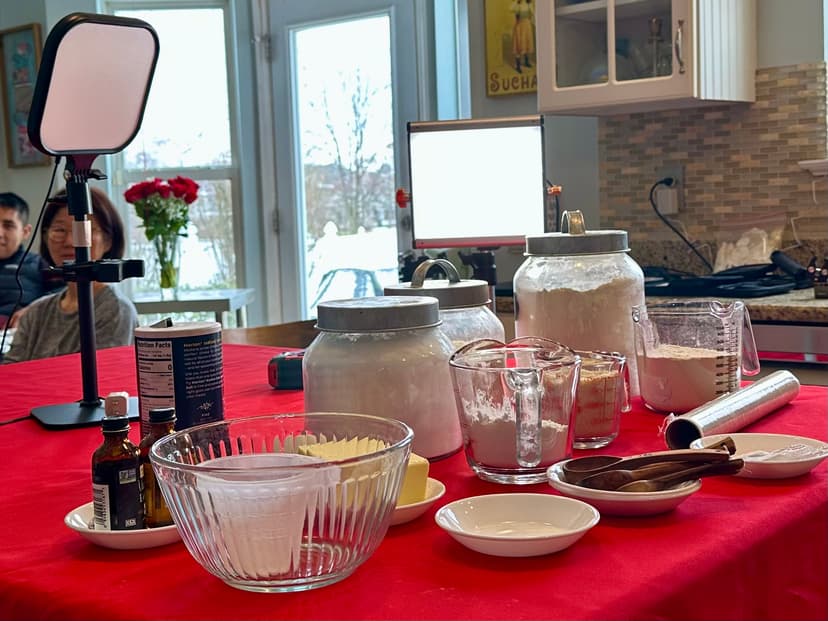
Behind the scenes — setting up the shoot
What we learned wasn't just theory—these were practical, immediately applicable techniques that anyone with a smartphone can use to make their food look as amazing as it tastes.
Why Food Photography Matters for Home Chefs
In today's digital world, great food photography isn't just nice to have—it's essential. Whether you're building your brand on social media, attracting customers to your home-based food business, or simply sharing your passion with the world, the way you present your dishes can make all the difference.
Staging Your Food & Environment
The foundation of stunning food photography starts before you even pick up your camera.
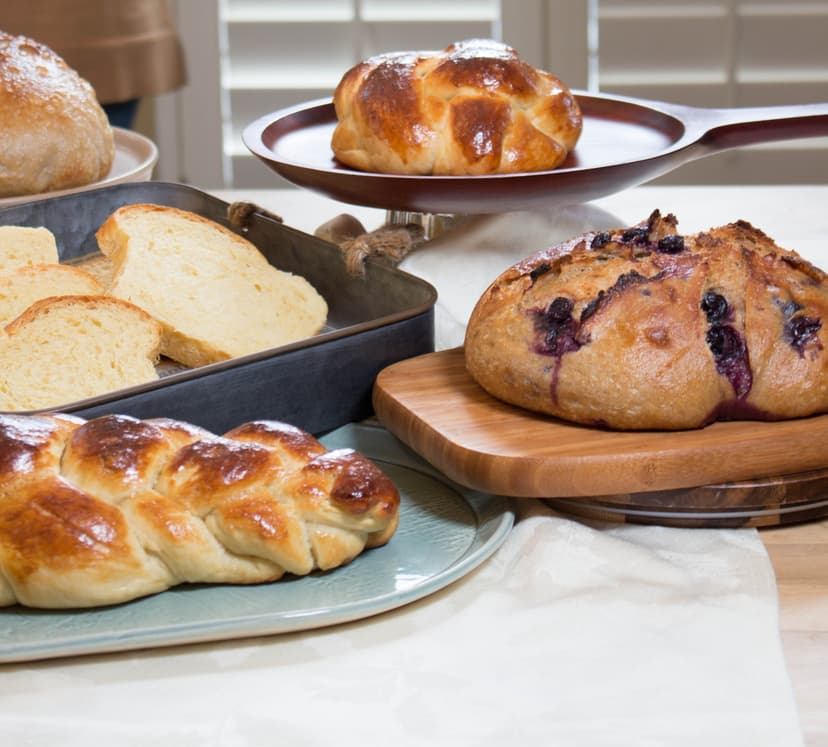
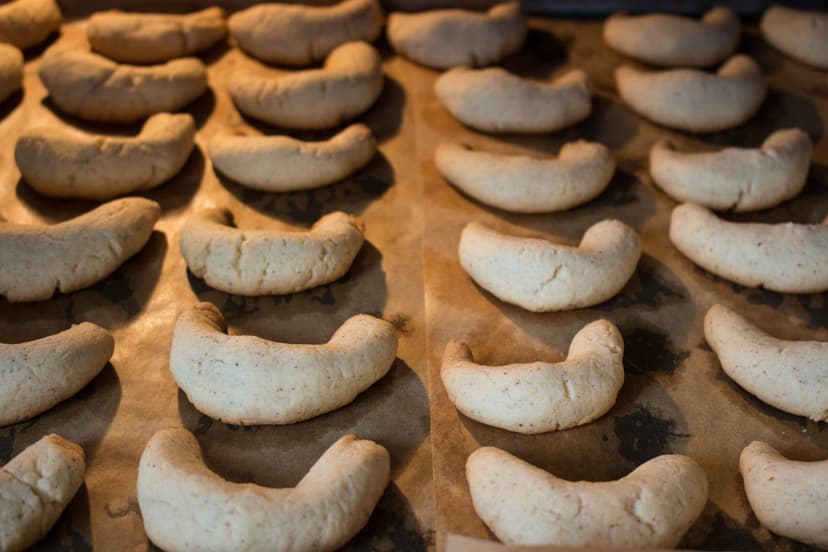
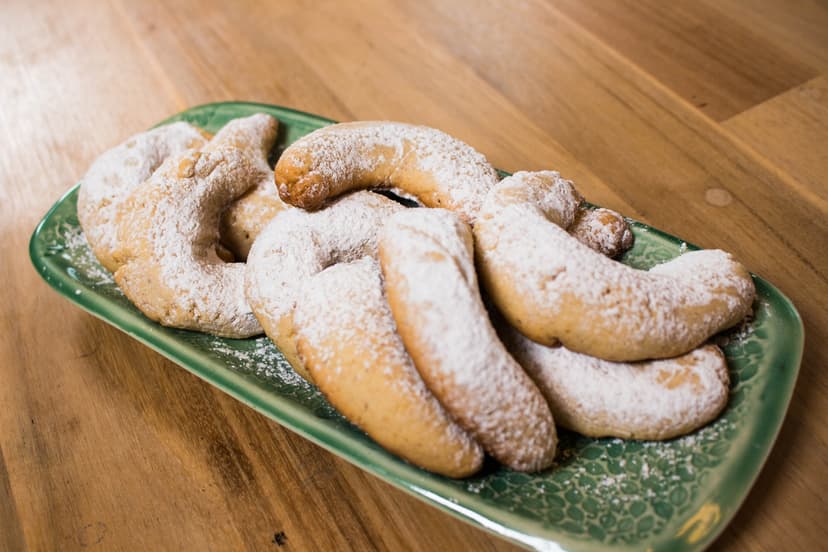
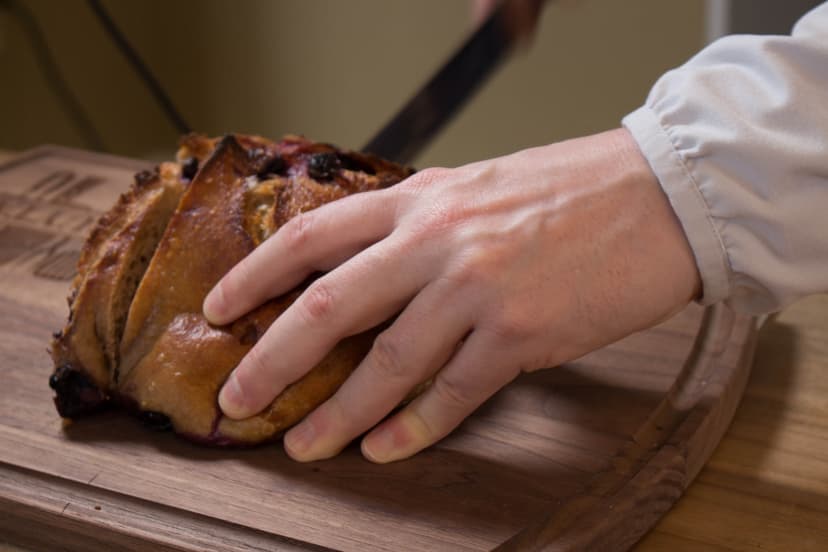
Artisan breads staged with complementary props
Using Color & Contrast
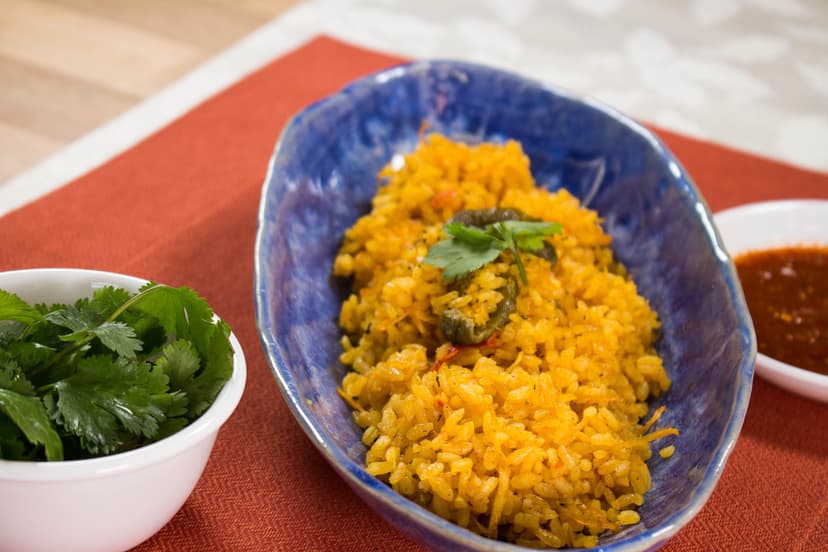
Complementary colors—those opposite each other on the color wheel—create natural visual appeal that draws the eye. Think of a vibrant green cilantro garnish on golden rice, or fresh red tomatoes against green basil.
Pro Tip: Keep your backgrounds neutral or choose colors that enhance rather than compete with your dish. A simple wooden cutting board or a clean white plate can work wonders.
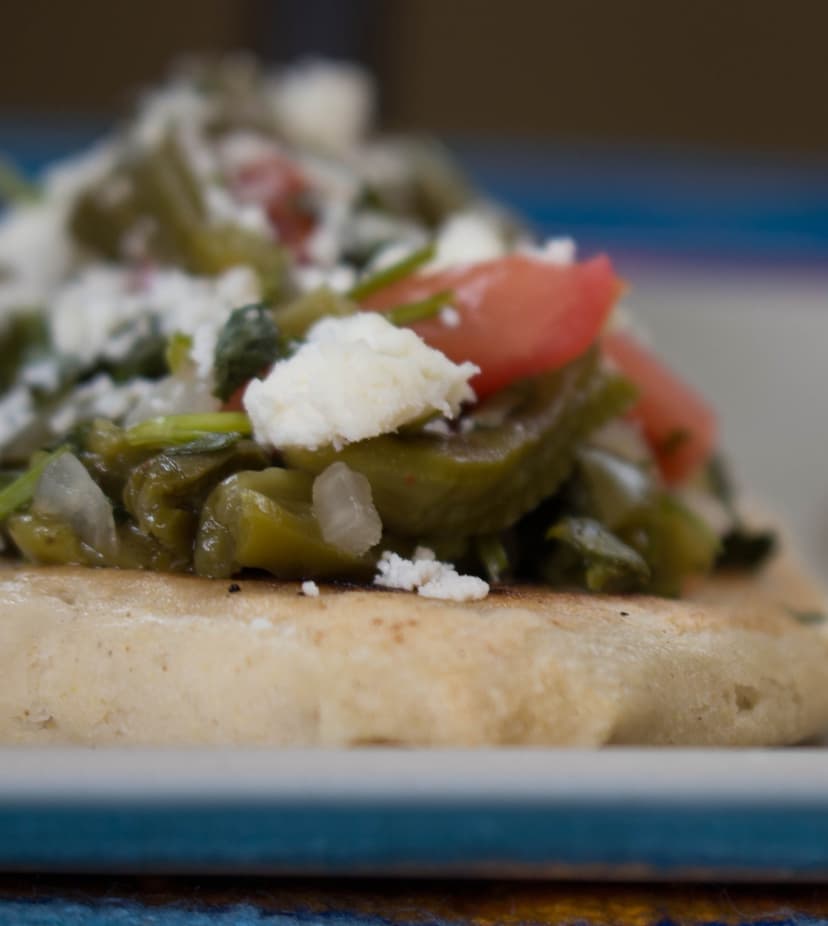
Creating Depth with Bokeh
Bokeh—that beautifully blurred background effect—makes your subject the undisputed star of the shot. Most smartphones now have "Portrait Mode" which simulates this professional look. Experiment with it to create that shallow depth of field that makes restaurant-quality photos.
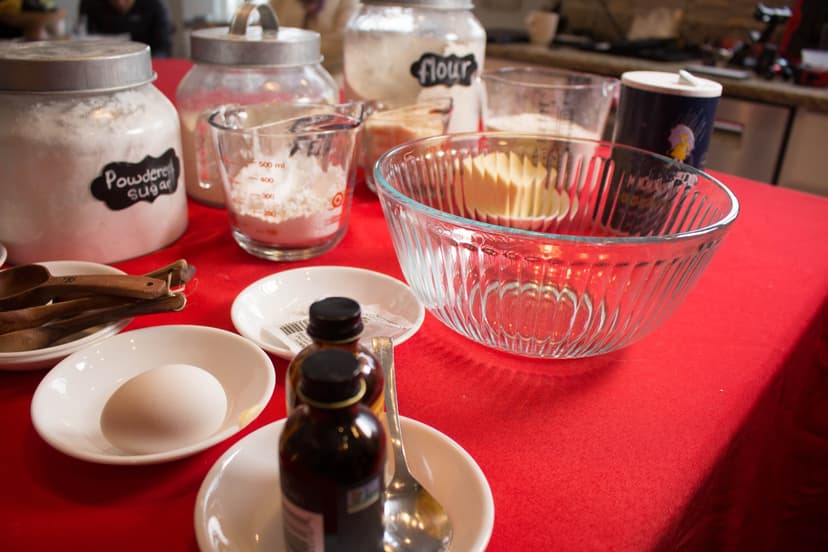
Full scene styling with complementary props
Mastering Lighting & Ambiance
- •Key Light: Use one main light source to illuminate your food. Natural light from a window is often your best friend.
- •Background & Fill Lights: Add depth and dimension with additional lighting or strategically positioned sunlight.
- •What to Avoid: Harsh overhead lights and camera flash are your enemies—they create unflattering shadows and wash out colors.
Framing, Composition & Focus
Once your environment is set, it's time to think about how you frame your shots.
The Rule of Thirds
Enable the grid on your phone camera and position key elements along the lines or at their intersections. This creates a naturally balanced, professional-looking composition.
How to Enable Grid Lines:
- iPhone: Settings → Camera → Grid → Toggle On
- Android: Open Camera → Settings → Grid Lines → Select 3x3
Choosing the Right Angles
- •Top-down shots: Perfect for flat-lay dishes like soups, pizzas, and grain bowls
- •45-degree angles: Ideal for plated meals and dishes with height
- •Side angles: Best for showcasing layers in sandwiches, burgers, cakes, and stacked foods
Resolution & Ratio: Optimizing for Social Media
Creating beautiful content is only half the battle—you need to make sure it displays perfectly on every platform.
Orientation by Platform
- Portrait (Vertical): Instagram Stories, Reels, TikTok
- Landscape (Horizontal): YouTube, Facebook
- Square: Instagram feed posts
Recommended Sizes
- Instagram: 1080x1350 px (portrait) or 1080x1080 px (square)
- Facebook: 1200x630 px (landscape)
- TikTok/Reels: 1080x1920 px (vertical)
Storyboarding & Shot Planning
Great food content tells a story from start to finish.
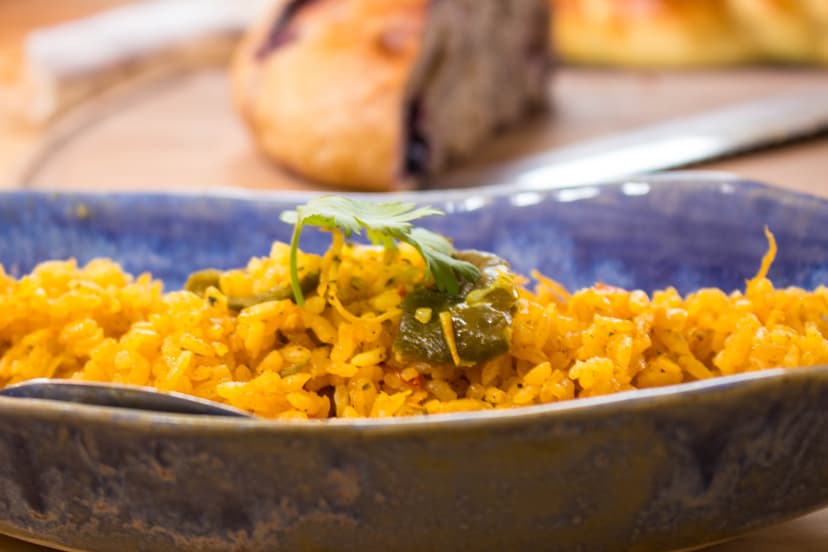
Golden rice with cilantro — beautiful bokeh
What to Shoot
Plan your shots before you start cooking:
- 1Raw ingredients laid out beautifully
- 2Prep work showing the process
- 3Cooking action with steam, sizzle, or movement
- 4Plating capturing that crucial moment
- 5Final presentation from multiple angles
How to Shoot
- •Slow pans & tilts create smooth, cinematic storytelling
- •Dynamic angles add excitement—try placing your camera inside a fridge or oven for unique perspectives
- •Stability matters: Use a tripod for consistent, stable shots
- •Vary your closeness: Alternate between ultra-close-ups, close-ups, wide shots, and ultra-wide shots
Pro Tip: Shoot the same shot multiple times until you get it just right. Don't settle for "good enough" when "great" is just a few more takes away.
Creating Engaging Video Content
In today's social media landscape, video content is king.
Editing & Storytelling with Instagram
Chris shared a game-changing approach to video editing:
Start with the music first!
Choose a song with the right vibe, BPM, and clear beats (kicks, claps, snares). This becomes the foundation of your edit.
The Waveform Trick
In Instagram's editor, look at the waveform (the visual representation of the music). You can see where the beats hit. Align your cuts with these beats for a professional, rhythmic feel.
Editing Tips:
- • Use 1-2-4 second cuts that match the beat of the music
- • Arrange clips in sequence to tell a compelling story
- • Let the music guide your pacing and energy
Final Thoughts: Make It Fun, Make It Yours
Perhaps the most important takeaway from Chris Gold's workshop was this: content creation should be enjoyable. Yes, there are techniques to learn and principles to follow, but at the end of the day, you have to play with it. Get into it. Be as passionate about capturing your food as you are about cooking it.
Remember:
- ✓Experiment with different angles, lighting, and compositions
- ✓Practice consistently to refine your style
- ✓Don't be afraid to try new things
- ✓Let your personality shine through your content
- ✓Have fun with the process
With these techniques in your toolkit, you're ready to create content that not only showcases your food beautifully but also tells your unique story as a home chef.
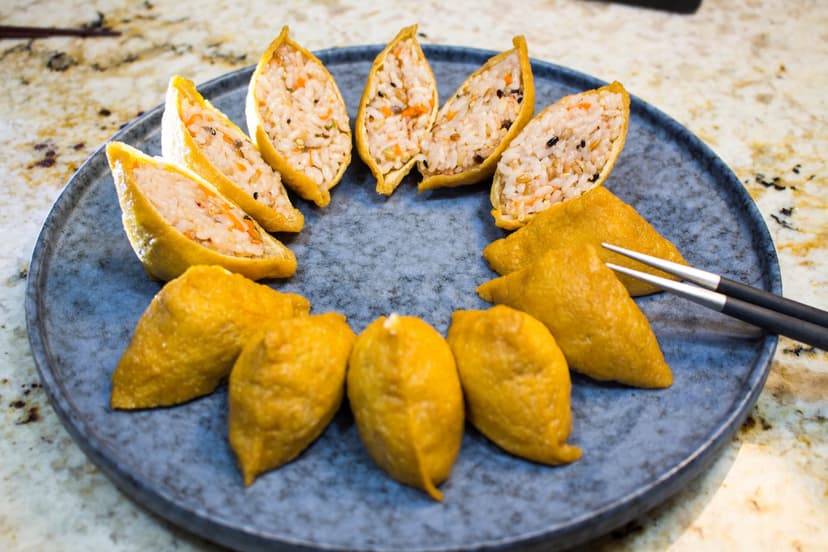
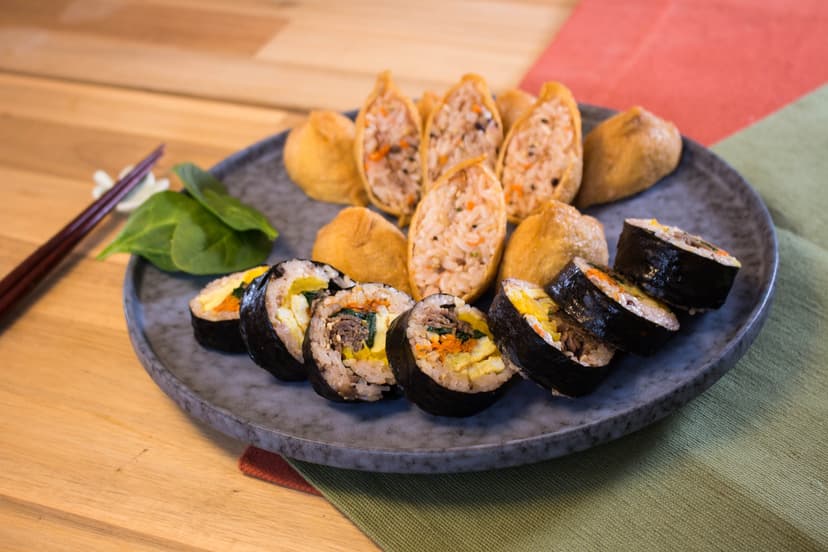
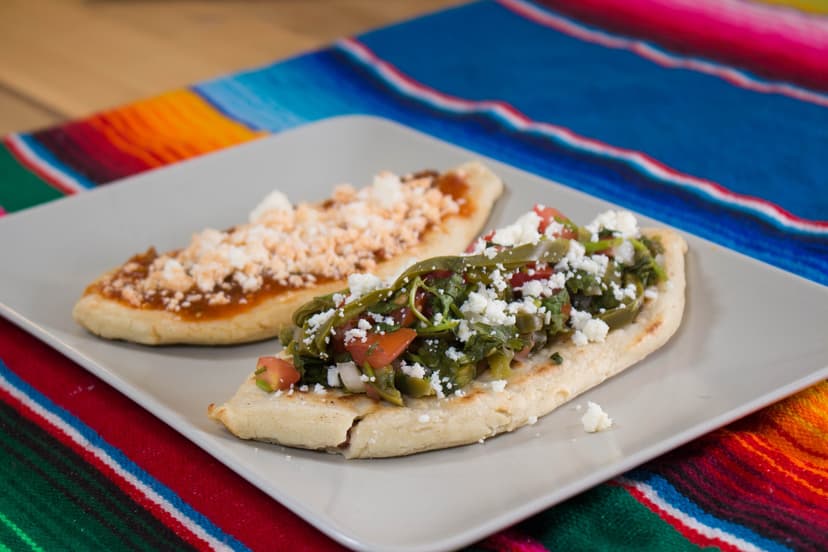
Discussion (0)
Sign in to join the discussion and share your thoughts.
No comments yet. Be the first to share your thoughts!